

Dream of turning your passion into a career? Our ultimate 2026 guide reveals how to get a certified wedding planning course, choose the best wedding planning certification programs, and launch a successful business in India. Learn about wedding planner course fees, salary potential, and the top wedding and event planning courses.
Introduction: Your Dream Career Awaits
Imagine a career where you orchestrate joy, design unforgettable memories, and are the hero behind one of the most important days in a couple’s life. This isn’t just a fantasy; it’s the daily reality of a professional certified wedding planner.
The wedding industry in India is a booming, multi-billion dollar landscape, evolving faster than ever. Couples in 2026 aren’t just looking for someone to book a venue; they seek creative visionaries, meticulous project managers, and calm-headed professionals. This demand creates a phenomenal opportunity for those with the right skills and credentials.
But where do you start? The path from a passionate enthusiast to a certified wedding and event planner can seem overwhelming. That’s why we’ve created this definitive, step-by-step roadmap for 2026. This guide is designed to answer every question, from “how to become a wedding planner with no experience” to helping you choose the absolute best wedding planner certification course online. Let’s embark on this journey to build your dream career.
What Is Wedding Planning?
Wedding planning is the process of organizing, coordinating, and executing all the elements that make a wedding day successful, memorable, and seamless. It’s both a creative and logistical profession that blends event management, design, budgeting, and client relations into one.
A wedding planner is the professional who takes charge of turning a couple’s vision into reality — from selecting venues, managing vendors, and handling guest lists to overseeing décor, catering, entertainment, and even last-minute troubleshooting on the big day.
The Core Goal of Wedding Planning
The main goal is to deliver a stress-free and flawless wedding experience for the couple and their families. Wedding planners ensure every detail — from invitations to post-reception cleanup — runs smoothly, on time, and within budget.
Key Responsibilities of a Wedding Planner
1. Consultation & Vision Planning – Understanding the couple’s style, theme, and expectations.
2. Budget Management – Allocating funds across vendors, venues, décor, and logistics.
3. Venue Selection & Coordination – Researching, shortlisting, and booking ideal venues.
4. Vendor Management – Coordinating with caterers, photographers, decorators, florists, etc.
5. Design & Décor Planning – Creating a cohesive theme, color palette, and ambiance.
6. Timeline & Scheduling – Developing a master plan and ensuring everything runs on time.
7. On-the-Day Coordination – Supervising the event, resolving issues, and ensuring perfection.
In Short
Wedding planning is the art of transforming dreams into well-organized, unforgettable celebrations.
It’s a profession where creativity meets precision, and where your passion for events, design, and people can turn into a thriving career.
Step 1: Why 2026 Is the Best Year to Start Your Wedding Planning Career?
If you’ve ever dreamed of turning your passion for events, décor, and celebrations into a profession, 2026 is the year to make it happen. The wedding industry is entering a golden era — fueled by digital transformation, creative innovation, and a booming demand for certified professionals. Whether you’re planning to enroll in a certified wedding planner course, pursue a wedding planning certificate online, or start your own event company, the opportunities in 2026 are bigger than ever before.
1. The Global Wedding Industry Is Thriving Like Never Before
The post-pandemic wedding surge continues to grow exponentially. According to global market insights, the wedding industry is expected to surpass $400 billion by 2026, with couples investing more in personalization, décor, and professional coordination.
In India alone, the wedding market is projected to grow by 15–20% annually, driven by luxury weddings, destination celebrations, and a new generation of planners offering curated experiences.
This growth directly translates to a rising demand for certified wedding planners, wedding coordinator certifications, and wedding event management courses — making it the perfect time to enter this creative profession.
2. A Shift Toward Professional Certification and Global Standards
Gone are the days when wedding planning was purely passion-driven. Today’s clients look for trained and certified wedding planners who can manage budgets, vendors, and design with expertise.
Obtaining a certified wedding planner course or enrolling in a certified wedding planner course instantly gives you a competitive edge. These credentials validate your skills, improve your credibility, and increase your earning potential — both in India and internationally.
By 2026, wedding planning is evolving into a structured, recognized profession, with more institutes offering wedding planner courses online and event management and wedding planning courses that meet global industry standards.
3. Digital Tools and Online Learning Make Training Accessible
Thanks to the boom in online wedding planner classes and virtual event management certifications, aspiring planners can now learn from anywhere. You can complete a certified wedding planner online course or even a diploma in wedding and event planning without leaving your home.
E-learning platforms, hybrid certifications, and mentorship-based programs have made it easier than ever to become a certified wedding planner — even if you’re starting with no prior experience. This accessibility makes 2026 the ideal time to start your journey.
4. High Earning Potential and Entrepreneurial Freedom
The earning opportunities for certified wedding planners are growing rapidly. In India, professional planners earn between ₹4–12 lakhs per year, while experienced luxury planners can charge ₹2–10 lakhs per event. Internationally, certified planners earn anywhere from $50,000 to $120,000 annually.
With a certified wedding planner certificate or wedding coordinator certification, you can work independently, join an event management agency, or even launch your own wedding planning brand. The flexibility and scalability make it one of the most lucrative creative careers of 2026.
5. The Rise of Destination and Experiential Weddings
From Udaipur and Bali to Tuscany and Dubai — destination weddings are redefining the industry. Couples are looking for professionals who can manage logistics across borders, work with international vendors, and craft once-in-a-lifetime experiences.
This global trend opens doors for planners who complete wedding and event planning certification courses or specialize in destination wedding planning programs. With the right training, you can position yourself as a premium planner for high-end and cross-cultural events.
6. AI, Sustainability & Tech Are Transforming the Industry
By 2026, AI-driven design tools, virtual wedding planning software, and sustainable event practices will dominate the market. Certified professionals or certified wedding planner course who understand these tools — taught in modern wedding planner courses online — will be at the forefront of innovation.
Couples are now more eco-conscious, preferring planners who integrate eco-friendly décor, digital invites, and ethical vendor sourcing. Getting certified in 2026 means entering the industry with fresh, future-ready skills that set you apart.
➜ 2026 isn’t just another year — it’s the turning point for wedding planning as a global profession.
The blend of market expansion, digital access, and demand for certified expertise makes this the best time to invest in your dream career. With the right wedding planner certification or certified wedding planner course and hands-on experience, you can transform your creativity into a thriving, respected, and profitable business.
Step 2: Understand What a Certified Wedding Planner Does
Before enrolling in a certified wedding planner course or pursuing a certificate in wedding planning, it’s crucial to understand what this profession truly involves. A certified wedding planner is much more than someone who coordinates décor and timelines — they are strategists, designers, negotiators, and storytellers who transform a couple’s dream into a seamless, stress-free celebration.

1. What Does a Certified Wedding Planner Actually Do?
A wedding planner is responsible for overseeing every phase of the wedding journey — from initial consultation and budgeting to the final day of execution. The role requires both creative flair and organizational expertise, ensuring that every detail aligns with the couple’s vision, theme, and budget.
Certified professionals are trained through wedding planner classes and wedding and event planning courses to handle all aspects of planning, design, and coordination. Their certification ensures they meet industry standards and can execute events with professionalism, creativity, and precision.
2. Core Responsibilities of a Certified Wedding Planner
Here’s what a professional, certified wedding planner typically handles:
1. Client Consultation & Concept Development
Understanding the couple’s story, cultural background, preferences, and expectations.
Creating a personalized wedding theme or design concept.
2. Budget Planning & Financial Management
Allocating funds efficiently across venues, décor, photography, catering, and logistics.
Ensuring transparency and cost control throughout the process.
3. Vendor Selection & Contract Negotiation
Sourcing reliable vendors such as caterers, florists, photographers, and entertainment providers.
Negotiating contracts and managing payments on behalf of clients.
4. Design, Décor, and Styling
Creating mood boards, theme palettes, and venue setups.
Collaborating with décor teams to execute cohesive, elegant designs.
5. Timeline & Logistics Management
Building a master schedule that synchronizes every element of the event.
Coordinating rehearsals, vendor timelines, and guest management.
6. On-the-Day Coordination
Overseeing all operations on the wedding day.
Troubleshooting issues, ensuring vendor punctuality, and keeping the event flow perfect.
7. Post-Event Follow-Up
Handling vendor payments, thank-you notes, and client feedback.
Maintaining relationships for referrals and future projects.
3. The Difference Between a Planner, Coordinator, and Designer
It’s common to confuse these roles, but certification helps you specialize:
| Role | Core Focus | Ideal Certification |
|---|---|---|
| Wedding Planner | Full-service management from start to finish | Certified Wedding Planner Course |
| Wedding Coordinator | Handles logistics closer to the wedding date | Wedding Coordinator Certification Online |
| Wedding Designer | Focuses on aesthetics, décor, and event styling | Wedding and Event Design Courses |
Each specialization offers different career paths and income potential — and with 2026’s growing demand, professionals with multiple certifications (planner + designer + coordinator) will have the strongest advantage.
The Planner’s True Value
A certified wedding planner doesn’t just organize a wedding — they create moments, manage emotions, and build lifelong memories.
Clients hire certified professionals because they bring trust, expertise, and creative direction to one of the most important days of a person’s life. That’s why completing a recognized wedding planner course online or in-person can instantly elevate your credibility, network, and career prospects.
Pro Tip:
If you’re just starting out, consider taking an online wedding planner certification first. It’s affordable, flexible, and a great entry point before moving on to advanced wedding event management courses or diplomas in wedding and event planning.
Step 3: Why Certification Matters in 2026
In today’s competitive event industry, passion alone isn’t enough to succeed — professionalism is what sets you apart. As the global demand for structured, luxury, and destination weddings continues to rise, certification has become the gold standard for anyone serious about building a long-term career in wedding and event planning.
Enrolling in a certified wedding planner course or earning a certificate in wedding planning doesn’t just teach you how to organize weddings — it positions you as a trusted expert in one of the fastest-growing creative professions in 2026.

1. Certification Adds Credibility and Trust
Weddings are deeply personal and often involve large financial investments. Couples are more likely to hire a planner who is certified and trained to handle budgets, vendors, contracts, and logistics professionally.
A certified wedding planner certificate proves that you’ve been educated in essential industry standards such as:
- Event design and styling
- Vendor and client management
- Budgeting and negotiation
- Legal contracts and compliance
- Risk management and crisis handling
With this credibility, you can confidently pitch your services, attract premium clients, and even collaborate with top venues and vendors who prefer certified professionals.
Fact: According to industry data, certified wedding planners earn up to 30–40% more than non-certified planners — primarily because clients associate certification with trust and expertise.
2. Certification Enhances Your Professional Skills
Whether you take an online wedding planner certification course or a diploma in wedding and event planning, certification programs are designed to make you industry-ready.
These courses go beyond basic coordination — they teach:
- Business skills (pricing, branding, marketing, client proposals)
- Design and décor principles (color theory, themes, floral design)
- Event technology (digital tools, AI planning software, budgeting apps)
By completing a certified wedding planner course or a certified wedding and event planner certification, you gain both creative and managerial skills, preparing you to handle real-world challenges with confidence.
3. Global Recognition and Career Flexibility
One of the biggest advantages of a certified wedding planner course is its international recognition. Leading institutions like the Wedding Planning Institute (WPI), QC Event School, or The Wedding Academy Global offer programs accepted worldwide.
With these credentials, you can:
- Work with international clients or destination weddings
- Collaborate with luxury event agencies
- Start your own brand and attract global clientele
This flexibility is especially valuable for planners in India and Asia, where the market is booming and global wedding trends are rapidly influencing local styles.
In short — your certification is your passport to international opportunities.
4. Accessibility: Learn and Get Certified Online
2026 is a digital era where you can become a certified wedding planner online without geographical limits.
Through wedding planner courses online or wedding coordinator certification online, you can learn at your own pace, complete assignments virtually, and even receive mentorship from industry experts.
Some popular course types include:
- Certificate in Wedding Planning (Beginner)
- Diploma in Wedding and Event Planning (Intermediate)
- Certified Wedding Planner Online Course (Professional)
These online wedding planning classes often include hands-on projects, vendor simulations, and portfolio-building activities that help you kickstart your business immediately after graduation.
5. Certification Improves Your Earning Potential
Becoming a certified wedding planner directly impacts your income. Certified professionals can confidently charge higher fees due to their verified skills and structured approach.
- Beginner (0–2 years): ₹4–6 lakhs per year
- Mid-Level (3–5 years): ₹7–12 lakhs per year
- Luxury/Destination Planner (5+ years): ₹15–40 lakhs per year
With a certified wedding planner course or wedding coordinator certification, you’re not just learning — you’re investing in a career that offers financial independence, creative satisfaction, and global growth.
6. Certification Helps You Stand Out in a Crowded Market
In a saturated industry, clients are looking for reliability, reputation, and results. Certification instantly communicates professionalism and sets you apart from self-taught planners.
It also increases your chances of being featured in:
- Event planning directories
- Venue partnerships
- Wedding expos and vendor networks
Your certification acts as both a qualification and a marketing tool — signaling to clients and collaborators that you’ve met industry standards of excellence.
Becoming a certified wedding planner in 2026 isn’t just about education — it’s about elevation.
Certification empowers you to:
- Earn trust faster
- Book high-value clients
- Access international opportunities
- Build a respected personal brand
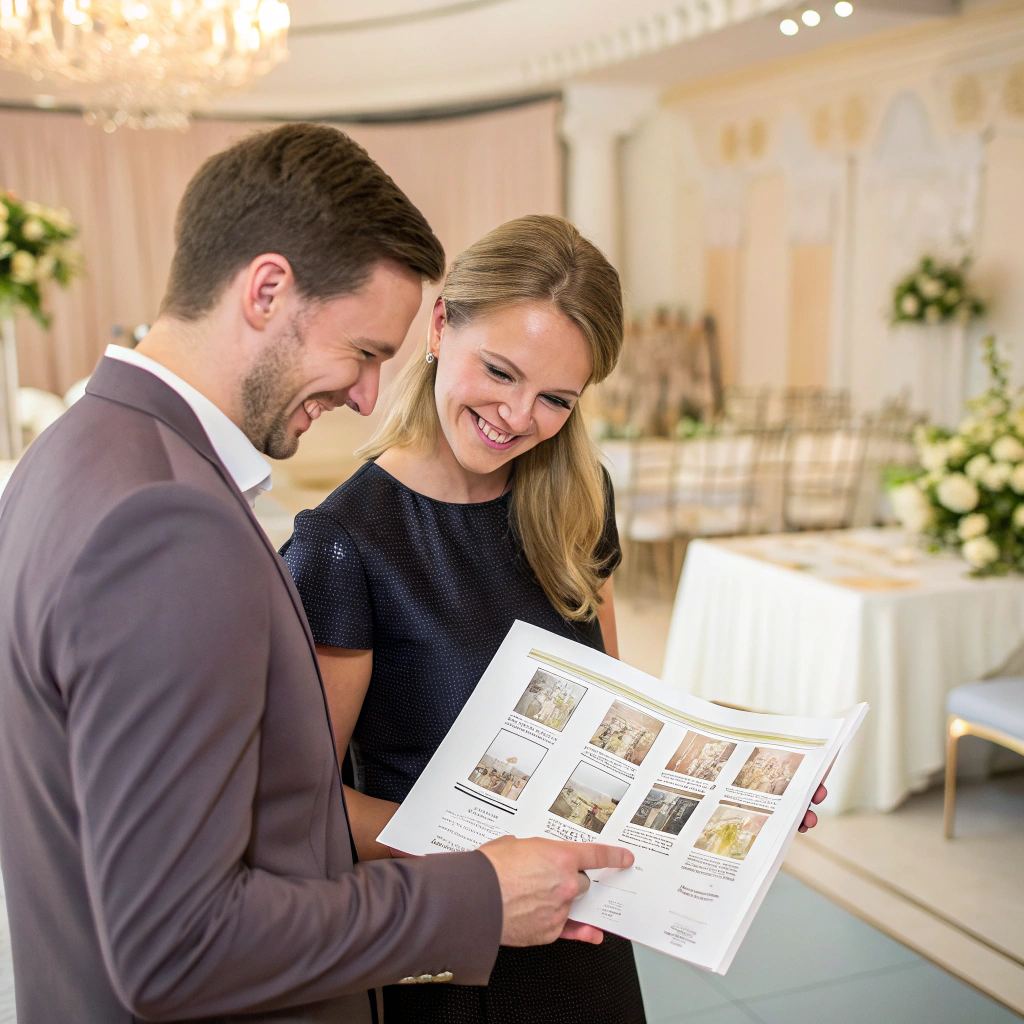
Whether you pursue a wedding planning certificate online, a wedding coordinator certification, certified wedding planner course or a diploma in wedding and event planning, this is the smartest first step toward a sustainable, creative, and profitable career in one of the most emotionally fulfilling industries in the world.
Step 4: The 7-Step Roadmap to Becoming a Certified Wedding Planner in 2026
Becoming a certified wedding planner after completing certified wedding planner course is not just about learning how to plan events — it’s about mastering the business, creativity, logistics, and client experience that shape unforgettable celebrations. Whether you are starting with zero experience or looking to upgrade your skills, this step-by-step roadmap will help you confidently navigate your journey into the wedding planning industry in 2026.
This roadmap is strategically crafted to guide you from the learning phase to the launch and growth phase, ensuring you’re prepared to book clients, deliver premium services, and build a sustainable business.
1. Learn the Foundation of Wedding & Event Planning
Before jumping into certified wedding planner course, you need a strong understanding of:
- The wedding planning workflow
- Cultural ceremony differences
- Budget planning basics
- Vendor categories and pricing structures
- Wedding etiquette and timeline management
You can start with:
- Introductory wedding planner classes online
- Free event planning webinars
- Job shadowing or volunteering at local weddings
This initial exposure helps you understand whether you want to specialize as:
- Full-service wedding planner
- Day-of coordinator
- Theme & décor wedding designer
- Destination wedding planner
- Bridal stylist or décor stylist
Clarity of role = clarity of training path.
2. Enroll in a Certified Wedding Planner Course
This is where your journey becomes professional.
Choose the certification level according to your goals:
| Level | Best For | Recommended Program Type |
|---|---|---|
| Certificate in Wedding Planning | Beginners | Short-term online courses |
| Diploma in Wedding & Event Planning | Serious career builders | 6–12 month structured curriculum |
| Certified Wedding & Event Planner Certification | Professionals aiming at premium clients | Industry-recognized certification + exams |
When comparing wedding planner certification programs, evaluate:
- Industry reputation of the institute
- Faculty and mentorship support
- Portfolio-building opportunities
- Internship or live-event training options
- Alumni success stories
The right certification will give you industry credibility, confidence, and access to professional networks.
3. Master Core Skills Every Wedding Planner Must Have
Wedding planning is both creative and analytical. To stand out in 2026, you’ll need mastery in:
Creative Skills
- Theme and décor design
- Floral styling
- Venue aesthetics
- Mood board & color palette development
Business & Operational Skills
- Budget breakdown and cost management
- Vendor sourcing and negotiation
- Contract drafting and payment schedules
- Guest list and hospitality management
Soft Skills
- Communication and empathy
- Crisis management and problem-solving
- Leadership and team coordination
These skills are taught in wedding event management courses, certified wedding planner course, workshops, and practical assignments included in certification programs.
4. Gain Real Wedding Experience (Even with No Prior Background)
This is the make-or-break stage.
If you’re new, start by:
- Working as an assistant planner
- Doing internships with event management companies
- Volunteering at weddings and community events
- Assisting décor or vendor teams
- Offering coordination services at discounted rates to build a portfolio
This experience helps you:
- Understand event flow and execution pressure
- Build vendor relationships
- Gain proof-of-work for future clients
Experience builds confidence. Confidence builds value. Value builds income.
5. Build Your Wedding Portfolio & Personal Brand
In the wedding industry, your brand is your identity.
You’ll need:
- A professional portfolio (photos & videos of weddings you’ve worked on)
- A website or Instagram page showcasing your work
- Client testimonials and reviews
- A logo + brand tone that reflects your style
Your brand should clearly communicate:
- The type of weddings you specialize in
- Your personality and design signature
- Your value and professionalism
6. Register Your Business & Start Marketing Your Services
Once you have certification + portfolio, you’re ready to launch professionally.
This includes:
- Registering your business or freelancing identity
- Creating service packages & pricing models
- Building vendor partnerships
- Developing marketing funnels
To attract clients organically:
- Use Instagram, Pinterest, and Google My Business
- Collaborate with photographers, venues & bridal boutiques
- Run targeted ads during wedding seasons
- Attend wedding expos and networking events
The wedding business grows fastest through relationships, not just advertising.
7. Scale, Specialize & Grow Your Wedding Planning Brand
As you gain experience, you can scale your business by:
- Hiring assistant coordinators
- Partnering with décor & production teams
- Specializing in luxury destination weddings
- Offering premium planning packages
- Teaching or mentoring new planners
You can also expand services into:
- Pre-wedding shoot styling
- Bridal entry concepts
- Engagement / Mehendi / Haldi event planning
- Luxury décor styling
- Celebrity / VIP wedding planning
This is where your career transforms from planner → brand.
The path to becoming a certified wedding planner in 2026 is structured, strategic, and completely achievable — even if you’re starting from zero.
With the right training, portfolio, branding, and experience, you can build a career that is:
✔ Emotionally fulfilling
✔ Financially rewarding
✔ Globally scalable
Step 4: Choose the Right Type of Course for You
Not all certified wedding planner course are the same — and choosing the right one can determine how strong your foundation becomes and how quickly you succeed in the industry. The ideal course depends on your current experience level, career goals, budget, and learning style.
In 2026, you can choose between certificates, diplomas, degree programs, certified wedding planner course and online wedding planner courses. Each comes with different depth, recognition, and outcomes.
1. Certificate in Wedding Planning (Beginner Level)
Best For:
Students
Career switchers
Homemakers looking for a flexible career
Anyone starting with no prior experience
Course Duration: 1–6 months
Mode: Online or hybrid
Focus: Basics of planning, vendor management, timelines, and wedding workflows.
A certified wedding planner course is a great starting point because it helps you:
- Understand the wedding planning ecosystem
- Learn foundational roles and responsibilities
- Gain confidence before handling real events
This is the easiest and most affordable way to kickstart your journey quickly.
2. Diploma in Wedding and Event Planning (Intermediate Level)
Best For:
Those serious about becoming full-time planners
Anyone wanting structured education + practical experience
Course Duration: 6–12 months
Mode: Online + Live workshops / Internships
Focus: Event law, budgeting, guest hospitality, décor styling, portfolio building.
A diploma in wedding and event planning is more comprehensive and helps you:
- Learn event design principles
- Work on real wedding case studies
- Build a professional portfolio
- Prepare for actual client projects
Diplomas are excellent for those aiming to work with agencies or event companies.
3. Certified Wedding and Event Planner Certification (Professional Level)
Best For:
Aspiring luxury planners
Destination wedding planners
Those aiming to build their own brand or agency
Creatives targeting high-budget clients
Course Duration: 3–9 months
Mode: Online + Mentorship + Examination
Focus: Advanced coordination, luxury event design, vendor negotiation, pricing models, business branding.
This certification is ideal if you want:
- Higher credibility in the market
- Professional recognition
- Access to premium clientele
- Strong vendor networks
Completing a recognized certified wedding planner course instantly boosts your professional image and allows you to charge higher rates confidently.
4. Wedding Planner Courses Online (Flexible & Self-Paced)
Best For:
Working professionals
Busy parents
Students managing college schedules
Freelancers wanting skill upgrades
Benefits of online wedding planning classes:
- Learn at your own pace
- Watch recorded lessons anytime
- Attend virtual live workshops and Q&A sessions
- Build your portfolio digitally
- No geographical limitations
Popular online options include:
- Certified Wedding Planner Online Courses
- Wedding Coordinator Certification Online
- Wedding Event Planning Courses Home Learning
Online courses are cost-effective and perfect for those who need flexibility without pausing life.
5. Wedding Planner Degrees (For Those Seeking Long-Term Industry Careers)
Best For:
Students post 12th
Those wanting corporate event management careers
Individuals targeting MICE (Meetings, Incentives, Conferences, Exhibitions) sector
Course Duration: 2–3 years
Outcome: Structured understanding of event management + specialization in weddings.
These programs are more academic and are best suited for individuals aiming for event management firms or hospitality brands.
How to Choose the Right Course for YOU (Decision Guide)
| If Your Situation Is… | Choose This Course | Why |
|---|
| Completely new & exploring | Certificate in Wedding Planning | Quick start + low cost + beginner-friendly |
| Want to build a solid career | Diploma in Wedding & Event Planning | More depth + real wedding exposure |
| Want to start your own brand / want high-paying clients | Certified Wedding & Event Planner Certification | Professional recognition + business training |
| Have limited time / cannot attend in person | Wedding Planner Courses Online | Flexible + self-paced |
| Want a long-term corporate event career | Event Management Degrees | Strong academic foundation |
Pro Tip:
If your goal is to start earning sooner, choose a certified wedding planner online course that includes:
- Internship placement
- Portfolio-building projects
- Vendor networking support
These programs lead to faster career launch + quicker income.
The best course for you is the one that matches your current skill level, your career ambition, and the type of weddings you want to plan.
Once you choose the right foundation, everything else — your brand, your confidence, your pricing — grows naturally.
Step 5: Master the Core Skills Every Successful Wedding Planner Needs in 2026
Being a certified wedding planner course isn’t just about picking venues and coordinating décor. It’s about becoming the strategist, negotiator, designer, and problem-solver behind one of the most meaningful days in a couple’s life.
With the wedding industry evolving rapidly — 2026 demands wedding planners who are multi-skilled, tech-savvy, and emotionally intelligent.
Here are the essential skills every certified wedding planner course must master to stand out and build a profitable, trusted brand:
1. Creative Wedding & Event Design Skills
Today’s couples want Instagram-worthy, emotionally expressive weddings — not cookie-cutter setups.
You must learn:
- Theme & mood board creation
- Color palette selection
- Floral & décor styling
- Stage, aisle & dining space layout
- Aesthetic storytelling
Why it matters:
Your creativity is your signature. It’s what makes clients choose you over others.
2. Vendor & Supplier Management
Weddings involve 10–30 different vendors, including:
- Caterers
- Decor specialists
- Photographers & videographers
- Makeup artists
- Band / DJ / Entertainment
- Venue coordinators
- Logistics & hospitality teams
You must know how to:
- Source reliable vendors
- Compare pricing & negotiate packages
- Ensure timely coordination & delivery
This is where your reputation begins.
Great vendor management = smooth weddings + happy clients.
3. Budget Planning & Cost Control
A successful wedding planner must create realistic budgets and prevent cost overruns.
Skills to build:
- Preparing itemized cost sheets
- Suggesting cost-effective alternatives
- Maintaining transparency with clients
- Negotiating vendor rates without compromising quality
Clients trust planners who protect their money.
4. Client Communication & Relationship Building
Weddings are emotional. Clients may feel stressed, overwhelmed, or anxious.
To succeed, you must:
- Practice compassionate communication
- Listen carefully to preferences and fears
- Translate vague ideas into clear plans
- Keep clients updated at every stage
Your mindset = your professionalism.
Great planners are empathetic, calm, confident, and solution-oriented.
5. Crisis Management & Problem-Solving
From weather disruptions to vendor delays — weddings are unpredictable.
You must be able to:
- Think quickly under pressure
- Create backup plans
- Resolve conflicts quietly
- Ensure guests never notice any issue
This is what separates amateurs from certified professionals.
6. Time & Team Management
Wedding planning is fast-paced and multitasking-heavy.
You’ll need:
- Strong scheduling systems
- Ability to delegate tasks
- Efficient coordination across vendors & helpers
- Quick decision-making in real time
Wedding day = Your leadership moment.
7. Business, Branding & Marketing Skills (For Those Who Want to Start Their Own Company)
If you want to start your own wedding planning business, you must also learn:
- How to create a brand identity
- How to market your services online
- How to price your packages
- How to build a wedding portfolio
- How to get your first clients
This is where most courses fail — but top certified wedding planner courses teach both creativity + entrepreneurship.
Why Learning These Skills Matters in 2026
The wedding industry is becoming:
- More personalized
- More digital
- More experience-driven
Couples don’t just want a wedding planner.
They want a trusted expert who can manage budgets, design events, and handle logistics with elegance and confidence.
If you master these skills, you can:
- Charge premium rates
- Book high-profile clients
- Build a long-term, referral-based career
Step 6: Top Certified Wedding Planner Course to Consider in 2026 (India + Global)
Choosing the right certified wedding planner course is one of the most important decisions in your wedding planning journey. The course you choose will shape your credibility, confidence, industry exposure, and ability to attract high-quality clients. In 2026, both India and the global wedding industry offer structured, recognized, and career-focused certified wedding planner course that can help you build a strong foundation from day one.
Below are some of the most reputable and impactful programs worth considering based on learning style, budget, and future career goals.
Top Wedding Planner Certification Programs in India (2026)
1. ISBM – Diploma in Wedding and Event Planning
ISBM offers one of the most widely recognized diploma programs for wedding and event planning in India. It is particularly known for blending theory with practical event understanding. Students learn wedding coordination, décor planning, cost management, vendor relations, and event execution workflows. This course is ideal for beginners or career switchers looking for structured but flexible learning, and it can be completed online or via blended learning depending on your city.
2. National Institute of Event Management (NIEM) – Event & Wedding Planning Program
NIEM is one of India’s oldest event management institutes and is known for hands-on industry exposure. Their wedding planning program covers event production, logistics, hospitality management, bridal styling awareness, and live wedding internships. This is an excellent choice for those who want opportunities to intern at celebrity weddings, luxury events, and large-scale cultural ceremonies.
3. IIEM – Indian Institute of Event Management (Wedding Planning Certification)
IIEM focuses on practical training, portfolio building, and vendor networking. The curriculum includes destination wedding planning, décor styling, hospitality coordination, and client handling. If you want to start your own wedding planning business, this institute gives business and branding training as well — something many other programs don’t provide.
4. Online Certified Wedding Planner Courses (Self-Paced & Mentor Guided)
If you want complete flexibility, there are several certified wedding planner course designed for home learning. These courses offer:
- Recorded & live classes
- Downloadable planning templates
- Mock wedding projects
- Internship placement assistance
These are perfect for professionals, mothers, students, or anyone who cannot attend full-time classes but wants serious skill development and career readiness.
Top Global Certified Wedding Planner Course (2026)
1. The Bridal Society – Certified Wedding Planner Course (USA)
The Bridal Society is one of the most respected names globally for wedding planner certification. Their course focuses on professional coordination frameworks, client psychology, vendor management ethics, and business development. Graduates receive lifetime support, industry newsletters, and networking opportunities. This is an ideal choice for those who aim to work with international clients or luxury destination weddings.
2. QC Event School – International Wedding Planning Certification (Online)
QC Event School specializes in comprehensive, portfolio-driven training. The course offers step-by-step guidance in wedding design, décor styling, timeline management, and contract negotiation. Students work through assignments and real-world wedding planning scenarios. Since it is fully online, it is suitable for learners worldwide who want professional credentials without relocating.
3. Lovegevity Wedding Planning Institute (LWPI) – Certified Wedding and Event Planner Certification
LWPI partners with universities to offer an industry-leading certification focused on luxury wedding planning and entrepreneurship. The curriculum covers event styling, trend forecasting, cultural wedding variations, and destination management. What makes LWPI stand out is its global alumni community and business launch support, which is especially beneficial for those planning to start their own agency.
How to Choose the Best Certified Wedding Planner Course For YOU
When selecting a certification, consider:
- Your Career Goal: Freelance, agency job, or own business?
- Your Learning Style: Online flexibility vs. classroom guidance.
- Your Budget: Fees vary widely — choose based on long-term value, not just cost.
- Industry Recognition: Ensure the certification is respected within the wedding and event planning market.
- Internship & Portfolio Support: The best programs help you work on real weddings, not just theory.
Remember, a recognized certification adds trust — but your skill, creativity, and execution build your brand.
Final Word on Choosing a Certification
The best certified wedding planner course is the one that aligns with your goals, helps you build a professional portfolio, and supports you with real industry exposure.
Your certification is not just a document — it’s your passport into the wedding industry. Choose wisely, and it will open doors to lifelong opportunities.
Step 7: Build Your Portfolio & Gain Real Experience (Even If You’re Starting from Zero)
Once you’ve completed your certified wedding planner course, diploma, or certification program, the next step is to build your portfolio — because in the wedding industry, your work speaks louder than your qualifications. Couples hire planners based on proof: the weddings you’ve executed, the creativity you’ve demonstrated, and the professionalism you bring.
But here’s the good news:
You do not need prior experience or big-budget weddings to start building your portfolio.
You just need strategy.
Let’s break it down step-by-step.
1. Start Small: Work on Mock Projects
Before you handle actual weddings, begin with sample wedding plans:
- Create mood boards (Pinterest or Canva works beautifully)
- Develop sample décor setups
- Design wedding color palette concepts
- Draft timeline schedules & vendor lists
These mock wedding projects show your taste, style, and planning capability even if you haven’t executed real weddings yet.
Pro Tip: Create at least 3–5 concept weddings for your portfolio:
- One traditional Indian wedding
- One modern luxury / minimal wedding
- One destination wedding concept
This helps you attract different types of clients.
2. Assist Professional Wedding Planners (Internships & Volunteering)
This is the fastest and most practical way to gain real event exposure.
Reach out to:
- Local wedding planners
- Event management companies
- Wedding décor & design agencies
- Photographers & coordinators
Offer to help as:
- Assistant coordinator
- Décor setup support
- Hospitality coordinator
- Vendor liaison
Even 1–2 weddings of assisting experience can:
- Teach you real-time problem solving
- Build vendor relationships
- Give you portfolio photos and videos
- Boost your confidence quickly
This is where you learn how weddings actually work in real environments.
3. Build a Visually Compelling Portfolio
Your portfolio should include:
- Before & after décor shots
- Stage, mandap, entrance, seating layout designs
- Groom & bridal entry planning concepts
- Color palette & floral styling boards
- Event day timeline samples
You can store your portfolio in:
- A PDF presentation (for client meetings)
- A website
- A professional Instagram or Pinterest account
A visually strong portfolio = more conversions.
Because in the wedding industry, people choose what they can see.
4. Use Social Media to Showcase Your Work
Platforms that work best for wedding planners:
- Instagram (for visuals + storytelling)
- Pinterest (for theme discovery audience)
- YouTube / Reels (for BTS + emotional event moments)
- Facebook Groups (for local client reach)
Share:
- Before/after décor transformations
- Behind-the-scenes clips
- Mood boards and theme inspirations
- Client countdown & excitement stories
- Vendor collaboration reels
Consistency brings trust. Trust brings clients.
5. Ask for Testimonials — Even for Small or Free Projects
Whether you:
- Assisted another planner
- Helped plan a friend or cousin’s wedding
- Designed a mock concept wedding
Ask them for:
- A review
- A voice note
- A selfie testimonial
- A short thank-you message
Social proof raises your value instantly.
6. How This Step Helps You Grow Faster
Once you have:
A few wedding experiences
A polished portfolio
Vendor connections
Social media presence
You can start:
- Taking paid clients
- Running ads
- Pricing your services confidently
- Growing your brand reputation
This phase is where you transform from student → professional.
Final Takeaway
You don’t need to wait years to become a recognized wedding planner.
You just need the right training, the right portfolio, and the right network.
Your portfolio is your visual identity and your career accelerator.
Build it strategically, show it proudly — and clients will come.
Step 8: Career Opportunities After Completing Your Wedding Planner Certification
Once you’ve earned your certified wedding planner course and built a starter portfolio, a wide range of career paths open up to you. The wedding industry is not only emotionally fulfilling — it is also financially rewarding, diverse, fast-growing, and full of creative possibilities.
In 2026, weddings in India and globally are becoming larger, more personalized, more experiential, and more dependent on professional planners. This means certified wedding planners are now in higher demand than ever before — not just in big cities, but also in tier-2 and tier-3 markets.
Below are some of the most promising career opportunities you can pursue after completing your wedding and event planning course:
1. Wedding Planner / Wedding Coordinator
This is the most direct path. As a certified wedding planner, you will work with couples to plan, organize, and manage their big day from start to finish. Your role includes budgeting, vendor management, timelines, and wedding-day coordination.
Where you can work:
- Wedding planning agencies
- Event management companies
- Hospitality & venue chains
- Or as a freelance wedding planner
This role lets you grow your reputation and start building referrals quickly.
2. Event Designer / Wedding Stylist
If you have a strong creative and aesthetic sense, you can specialize in designing the wedding experience — décor, themes, floral styling, stage setup, mandap designs, tablescapes, and ambiance creation.
This is ideal for planners who love visual storytelling and want to make weddings look unique and beautiful.
Your work becomes your signature.
3. Destination Wedding Planner
Destination weddings are one of the fastest-growing luxury wedding trends globally.
If you love travel, cultural planning, hospitality, and logistics — this path can be both glamorous and profitable.
You’ll learn to:
- Coordinate guest travel
- Work with international/local vendors
- Plan multi-day wedding itineraries
- Manage cultural and legal formalities
This is a high-income specialization.
4. Corporate Event & Social Event Planner
Your skills don’t limit you to weddings. Wedding planners are also in demand for:
- Engagement parties
- Baby showers
- Anniversary celebrations
- Corporate gala dinners
- Award nights and brand launches
This gives you a year-round income, not just seasonal earnings.
5. Bridal Consultant / Bridal Stylist
If you love fashion, beauty, and personal styling — you can assist brides and grooms with:
- Outfit selections
- Jewelry coordination
- Hair & makeup vendor selection
- Pre-wedding photoshoot styling
This role blends creativity + personal connection beautifully.
6. Venue Wedding Coordinator
Many luxury resorts, banquet chains, and heritage wedding properties now employ full-time wedding coordinators to manage events booked at their venue.
This is perfect if you prefer:
- A full-time job
- Stable monthly income
- Corporate environment
A great entry point for fresh graduates.
7. Start Your Own Wedding Planning Business
If you dream of entrepreneurship, your certification gives you everything you need to:
- Build your brand identity
- Create wedding planning packages
- Target specific wedding markets (luxury, cultural, destination, modern minimalist, etc.)
- Scale your business through referrals + social media + vendor partnerships
Many of the most successful wedding planners today started small and grew through reputation and creativity.
Income & Growth Potential
Your earnings grow as your:
- Portfolio improves
- Vendor network strengthens
- Reputation increases
- Client quality rises
Wedding planning offers no income limit — especially in premium or destination weddings.
With the right skill and network, your growth can be exponential.
Final Word
Completing your certified wedding planner course doesn’t just give you a qualification.
It gives you a gateway to a rewarding, creative, emotionally fulfilling, and profitable career.
Whether you choose to:
- Work with agencies
- Partner with top venues
- Specialize in design
- Or build your own company
The demand is real.
The opportunities are expanding.
And 2026 is your year to step into this industry with confidence.
Step 9: 2026 Wedding Planning Trends You Need to Know: The Future of Weddings, Décor, and Event Experiences
The wedding and event planning industry is entering a new era. Couples in 2026 are looking for weddings that feel personal, meaningful, immersive, and aesthetically refined. They are shifting away from “grand for the sake of grand” and moving towards purpose-driven, beautifully curated wedding experiences.
As a certified wedding planner, understanding these trends will help you stay ahead, attract premium clients, and create weddings that feel current, stylish, and emotionally memorable.
Let’s explore the major trends shaping wedding planning in 2026:
1. Personalized & Story-Driven Weddings
Weddings are no longer one-size-fits-all.
Couples now want their love story reflected in every detail — décor, music, rituals, entry sequences, and even menu choices.
Expect more:
- Custom monograms & signage
- Personalized vows & ceremony scripts
- Themed pre-wedding functions
- Tailored guest welcome experiences
Your job: Help couples express their identity through thoughtful curation.
2. Rise of Destination & Intimate Luxury Weddings
Instead of huge hotel ballrooms, couples increasingly prefer:
- Private villas
- Heritage forts
- Beachside resorts
- Mountain boutique stays
Guest lists are smaller, but spending per guest is higher — making these weddings profitable for planners who specialize in logistics and hospitality.
This creates huge opportunities for planners skilled in:
- Travel coordination
- Resort negotiation
- Multi-day itinerary planning
3. Minimalist Luxe Decor & Soft Aesthetic Themes
Gone are the days of over-the-top extravagance.
2026 décor trends are all about elegance with subtle statement.
Popular themes:
- Pastel luxury
- Earthy naturals + organic florals
- European garden vibes
- Modern temple elegance
- Soft gold & pearl tones
Think understated and timeless, not flashy.
4. Eco-Conscious & Sustainable Celebrations
Couples are becoming more thoughtful about the environment.
Expect demand for:
- Reusable décor structures
- Locally sourced flowers
- Digital invitations
- Waste-aware catering
- Earth-friendly return gifts
Sustainability isn’t just a trend — it’s becoming a wedding value statement.
5. Content Creation Teams & Social-Media-First Weddings
Social media is now part of the celebration itself.
Couples are hiring:
- Content creators for candid phone-based videos
- Live stream professionals
- Reels specialists
- Pre-wedding editorial photographers
6. Digital Planning Tools & Virtual Coordination
Thanks to technology, planning is now hybrid.
Clients expect:
- Virtual venue tours
- Digital mood boards
- Pinterest-to-Planner visual translations
- Zoom vendor meetings
- Shared planning dashboards
Wedding planners in 2026 must be comfortable using:
- Canva
- Trello / Notion
- Google Drive documentation systems
Tech fluency = smoother planning + higher professionalism.
7. Entertainment-Focused Celebrations
Couples want to create moments, not just events.
Expect:
- Live fusion bands
- Cultural performers
- Stand-up comedy sets
- Curated cocktail mixers
- Guest experience zones
Couples today value engagement, energy, and atmosphere — not just décor.
What These Trends Mean for Your Career
If you’re entering the industry in 2026, you are stepping in at the perfect time.
Because the market now needs planners who are:
- Creative + strategic
- Emotionally intelligent
- Hospitality-oriented
- Tech-aware
- Visually aware
- Experience-focused
Your certification is your entry point.
Your adaptability to trends is your growth accelerator.
Weddings are becoming more intimate, more meaningful, and more visually refined — and planners who understand this shift will lead the next wave of the industry.
This is your moment to become the planner people trust to turn emotions into experiences.
Step 10: FAQs — Everything You Need to Know About Becoming a Certified Wedding Planner
1. Do I need a certification to become a wedding planner?
While certification is not legally mandatory, having a recognized certified wedding planner course or wedding planning certificate online gives you:
- Higher credibility
- Faster client trust
- Strong industry knowledge
- Confidence in managing real weddings
Certification also helps you charge premium rates compared to self-taught planners.
2. How long does it take to become a certified wedding planner?
Most certificate or diploma programs take 3 to 12 months, depending on learning mode and course depth. Self-paced online wedding planner classes can be completed faster. Experience building (portfolio + assisting real weddings) continues as you grow.
3. Can I become a wedding planner with no experience?
Yes. Many successful planners started with zero background.
Begin by:
- Taking a certified wedding planner online course
- Assisting other planners
- Creating sample wedding mood boards
- Building a small portfolio
Your skills, attitude, and creativity matter more than pre-existing experience.
4. How much can a wedding planner earn?
Income varies based on city, experience, style, and clients.
In India:
- Beginners may earn ₹15,000–₹45,000 per wedding (as assistants)
- Full-time planners can earn ₹8–15 lakhs per year
- Luxury and destination planners can earn ₹20 lakhs to several crores annually
Globally, certified planners often earn $45,000 to $120,000+ per year.
There is no income limit once your brand grows.
5. Is wedding planning a good career in India?
Absolutely. India hosts one of the largest wedding industries in the world, valued at ₹4–5 lakh crore and growing every year. Cultural diversity, destination weddings, and luxury celebrations create high demand for trained planners — not just in big cities, but also in smaller towns.
6. Do I need to be creative to become a wedding planner?
Creativity helps, but it is a skill you can develop with practice.
Courses teach:
- Décor styling
- Color palette creation
- Layout design
- Mood board development
Many planners become more creative as they work on real weddings.
7. Can I work as a freelance planner or do I need to join an agency?
You can choose either path:
- Work with agencies to gain experience
- Start freelancing after building your portfolio
- Eventually launch your own wedding planning brand
Many planners start freelancing part-time and grow from there.
8. What is the difference between a wedding planner and a wedding coordinator?
- A wedding planner manages the wedding from concept to execution.
- A wedding coordinator steps in closer to the wedding day to ensure everything runs smoothly.
Most certified planners are trained to do both.
9. Is this career suitable for people who are introverted or shy?
Yes — many successful planners are calm, observant, and quietly detail-oriented.
Wedding planning is not about being loud — it’s about:
- Professional communication
- Smart organization
- Problem solving
- Emotional understanding
Your ability to remain composed is actually an advantage.
10. What qualifications are required to become a wedding planner?
There are no strict academic requirements. Many planners come from backgrounds in design, hospitality, management, or even engineering or arts.
However, taking a Certified Wedding Planner Course helps you learn:
- Wedding budget planning
- Vendor negotiation
- Décor styling & theme creation
- Client relationship management
- Logistics & on-site execution
Certification improves credibility and helps you stand out when pitching to clients.
11. What skills are most important for success in wedding planning?
The top skills that matter in 2026 and beyond include:
- Communication & rapport building
- Creativity & eye for detail
- Budgeting and financial planning
- Crisis handling & decision-making
- Team and vendor management
- Time and schedule organization
These skills can be learned, practiced, and developed — you don’t need to be born with them.
12. How much does it cost to start a wedding planning business?
Starting costs are flexible depending on your goals:
- If you start as a freelancer, you mainly need a portfolio, good communication skills, and networking — very low cost.
- If you choose to build a registered wedding planning company, initial branding, website, and vendor partnerships may require a mid-range investment.
- You do not need to invest in décor or supplies — most planners hire or collaborate with vendors, so overhead remains manageable.
This makes wedding planning one of the most budget-friendly startups in the event industry.
Step 11: Turn Your Passion Into a Professional Wedding Planning Career in 2026
Becoming a certified wedding planner is more than learning how to coordinate décor, vendors, and timelines — it’s about transforming moments into memories that stay with people for a lifetime. If you’ve ever found joy in organizing celebrations, designing beautiful spaces, or guiding others through their most meaningful milestones, then this career isn’t just an option — it’s your calling.
2026 presents a rare window of opportunity. Couples today want weddings that are personalized, meaningful, immersive, and stress-free — and they are actively seeking trained professionals who can bring creativity, clarity, and confidence to the process. With the right wedding planning certificate online, hands-on practice, and a strong portfolio, you can step into a growing industry that values talent, passion, and personality over traditional degrees.
You don’t need years of experience.
You don’t need heavy investment.
What you need is commitment, consistent learning, and the willingness to take the first step.
Whether you’re a student exploring career paths, a homemaker ready to begin something of your own, or a professional looking to shift into a creative field — wedding planning offers freedom, creativity, income potential, and emotional fulfillment.
Your journey begins with one decision:
To believe that your passion is worth pursuing.
So, are you ready to:
- Build a career where every day feels meaningful?
- Work in beautiful spaces and create unforgettable experiences?
- Turn your creativity into a thriving business?
If yes, then 2026 is your year.
Start your journey today — and step into the world of weddings with confidence, clarity, and certification.
Because the world needs planners who don’t just organize weddings —
they create love stories.
Click Below to Take the First Step Toward Your Certification
Start your training. Build your brand. Launch your career.
Your future couples are waiting for you.
Begin Your Certified Wedding Planner Journey Today with Amoore Weddingz
For Free Consultation — Contact Us : +919606452929